Termite Treatment from Local Providers
Request an estimate and compare
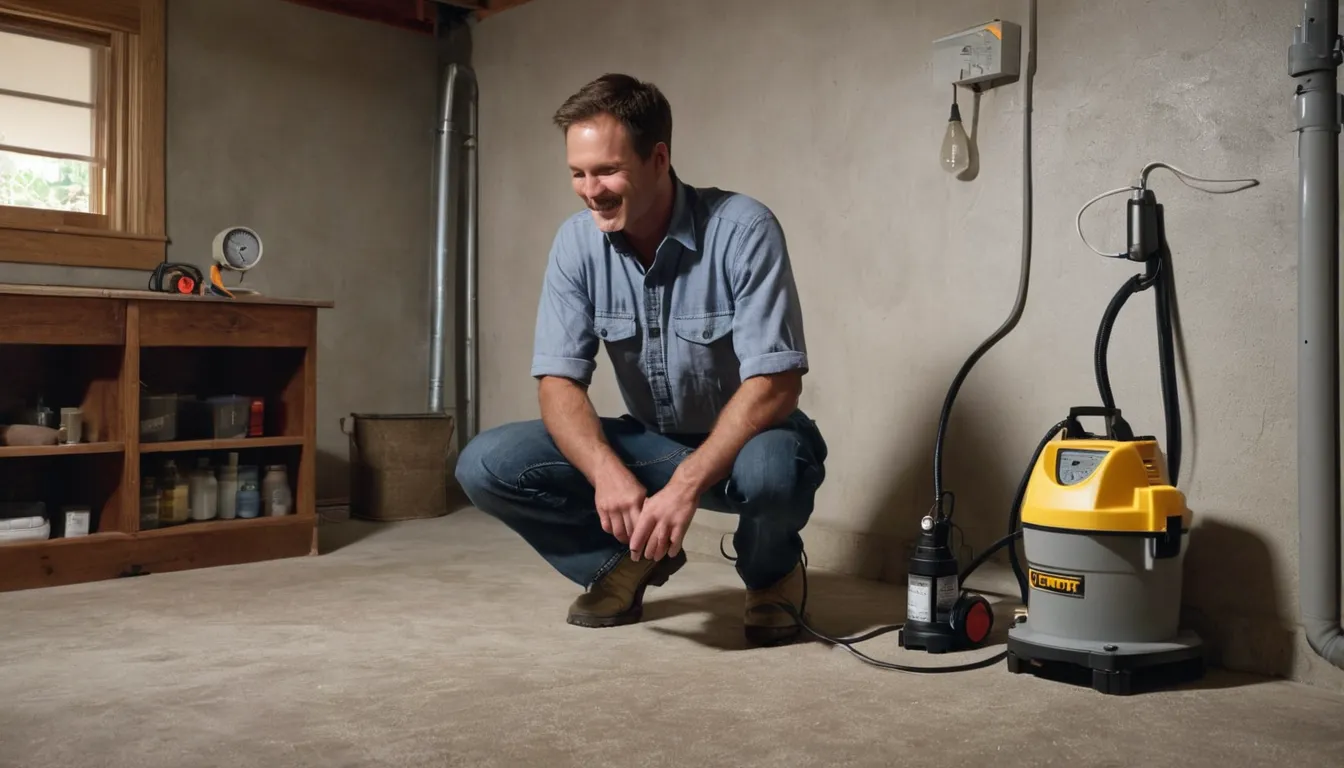
Termites eat wood from the inside, much like a slow leak behind a wall. You may not see anything wrong for a long time. Then a floor feels soft, or a door sticks, and the damage is already there. That is why a quick look from a pro matters.
Roughaccording Pest Control is a referral service. We do not do the treatment ourselves. We connect homeowners in the Crystal Lake area with independent providers in our network, explain the choices in plain words, and leave the decision to you. You can compare estimates, ask questions, and say no. There is no obligation at any step.
Think You Have Termites? Start Here
Take a breath. Termites are a common problem, and they move slowly. You have time to look closely, ask questions, and compare choices. You do not have time to ignore it for a year.
Think of termites like a slow drip under a sink. Each day looks the same. Over months, the harm adds up.
Why Waiting Costs More
Termites eat wood nonstop inside your walls, floors, and beams. They do not rest. A small colony can grow, and a large one can spread to more rooms.
Wood that is weaker needs more repair later. A quick inspection now is often much cheaper than a rebuilt floor joist.
Signs You Can See
Most homeowners spot one of a few clues first. Here are the common ones.
Mud Tubes
Subterranean termites build thin, dirt-colored tunnels. You may see them on foundation walls, in the basement, or near the sump pit. They look like pencil-wide lines of dried mud.
Wings and Wing Piles
In warm spring weather, winged termites leave the colony to start new ones. Afterward, you may find tiny, matching wings on window sills. They look like fish scales.
Wood That Sounds Hollow
Tap a baseboard or a beam with a screwdriver handle. A dull, papery sound can mean the wood is thin inside. Termites often leave only a paper-thin outer layer.
Signs You Might Miss
Some clues are quiet. Paint may bubble as if there were moisture. Doors and windows may stick for no clear reason. Tiny pellets that look like sawdust or sand may collect under a small hole.
Older frame houses, bungalows, and ranch homes can hide these signs behind paneling or in crawl spaces. A full basement with damp corners also gives termites a friendly start.
Which Termites Are These?
The type matters, because the plan changes. A provider will often identify it first. Picture a doctor naming the illness before choosing the medicine.
Subterranean Termites
These live in the soil and travel up to the wood. They need moisture, so spring flooding, damp basements, and leaky gutters can invite them. They are the most common type in colder states.
Drywood Termites
These live right in the wood and need little water. They are less common in cold climates, but they can arrive in furniture or lumber. Treatment is usually more focused on the wood itself.
How Termite Treatment Works
Most jobs begin with a careful inspection. The provider looks at the foundation, the basement, the attic, and any wood that touches soil. Then they explain a plan in writing.
Liquid Soil Treatment
A provider applies a treatment to the soil around the foundation. It works like a moat around a castle. Termites that cross it are stopped or carry the product back to the colony.
Bait Systems
Bait stations are placed around the yard. Termites feed on the bait and share it with the colony. This approach is slower, and it needs regular checks, but some homeowners prefer fewer drilled holes.
Wood and Spot Treatment
If the problem is small and in one area, a provider may treat just that wood. Large drywood cases may need a whole-house method. Ask which choice fits your house and why.
Comparing Estimates Side by Side
Two estimates can look very different yet describe the same work. Lay them next to each other like two recipes. Check what each one lists.
- Which method is used, and why it fits your home
- Which areas of the house are covered
- How many follow-up visits are included
- What yearly monitoring costs after the first year
- What is not covered, such as wood repair
A lower price is not always a smaller job. A higher price is not always a better one. Ask for the details in writing, then decide at your own speed.
Questions to Ask a Provider
A good provider is happy to explain. Ask how they found the activity, what product they use, and how long it should work. Ask what you need to do before the visit, and whether pets and children must stay out for a time.
Also ask about their license and insurance directly. Providers in our network are independent, so each one can show you its own papers.
Termite Inspections Before a Sale
Buyers and lenders often ask for a termite inspection report. It is like a home's health checkup. A clear report can ease a sale. A report with findings gives you room to treat the problem and negotiate.
If you are selling, a look before listing avoids surprises. If you are buying, ask for one before you close.
After Treatment: Keep Them Out
Treatment ends the current problem. Habits help keep it from returning. Fix it, then protect it.
- Keep soil and mulch a few inches below wood siding
- Point downspouts away from the foundation
- Keep the sump pump working and the basement dry
- Store firewood off the ground and away from the house
- Fix leaks and run a dehumidifier in damp rooms
- Book a yearly inspection, especially after wet springs
Some policies may cover sudden damage, but termite damage is often treated as gradual wear. Check your policy. Providers can often help document damage for a claim.
Ready to Compare?
You do not have to decide today. Request a callback to check provider availability, or send an estimate request and read the options when you are ready.
What's Included
Inspection
A provider checks the foundation, basement, attic, and wood near soil, then explains what they found.
Written Plan
You receive the method, areas, and follow-up steps in writing before you agree to anything.
Colony Treatment
Soil, bait, or wood treatments aim at the colony, not just the termites you can see.
Follow-Up Checks
Many providers return to confirm the treatment worked and look for new activity over time.
Typical Termite Treatment Costs
Prices change with house size, termite type, and method. These are typical U.S. ranges only. Always get a written quote that lists the work, the area covered, and any follow-up fees.
| Item | Typical range | Notes |
|---|---|---|
| Termite inspection | $75 – $300 | Some providers fold it into treatment |
| Liquid soil barrier | $1,200 – $2,500 | Based on foundation length |
| Bait station system | $1,500 – $3,500 | Needs regular monitoring |
| Spot wood treatment | $250 – $900 | For small, local activity |
| Whole-house drywood treatment | $2,000 – $8,000 | Cost rises with home size |
| Yearly monitoring plan | $100 – $400 | Renewal terms vary by provider |
How It Works
Share Details
Tell us about your home and what you have noticed, or request a callback to check provider availability.
Get Matched
We connect you with a local provider in our network.
Compare Quotes
Review the written plans and prices at your own pace.
Treat and Protect
Choose a provider, then follow simple habits to keep termites away.
Why Call Roughaccording Pest Control
Compare, Then Decide
See several providers and methods side by side, then pick without any pressure or obligation to continue.
Plain Words
Each option is explained simply, so you know what is being done and why it fits.
Independent Providers
Providers in our network run their own businesses, so you can ask about their methods and papers.
Prevention Tips
After treatment, you get simple habits that help keep termites from returning.
Other Services
Need termite treatment in Crystal Lake?
Tell us what you are seeing. Request an estimate, or Request a callback to check provider availability. Comparing is easy and there is no obligation.
No obligationTermite Treatment FAQ
How do I know if I have termites or just carpenter ants?
Termites leave mud tubes, discarded wings, and thin, papery wood. Carpenter ants leave clean, smooth tunnels and sawdust piles. A provider can tell them apart quickly during an inspection, since the treatment differs for each pest.
Is termite treatment safe for my family and pets?
Many modern treatments are applied in the soil or in sealed stations, away from living spaces. Safety depends on the product and method, so ask your provider for the label, the steps, and any time you should keep pets and children out.
How long does termite treatment last?
It depends on the method, the soil, and the home. Many providers offer yearly check-ins and renewals. Ask what the plan includes and what happens if termites return.
Get in touch
Tell us what you are seeing. Request an estimate, or Request a callback to check provider availability. Comparing is easy and there is no obligation.
No obligation